This article is part of Finding the Words, a newsletter that delivers practical insights on the day’s issues.
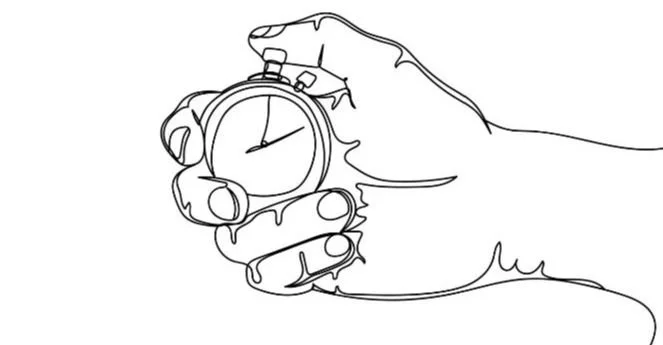
You've just been handed five minutes.
Five minutes...
To introduce yourself.
To win over a prospect.
To pitch your big idea to the Board.
To convince a producer why you're worthy of the feature.
The clock is running. What do you do with it?
Earlier in my career, I believed the answer was to pack those few minutes by getting every good point in before the time ran out. With any luck, I'd say, my audience would hear 'just what I need them to.'
And while sometimes I got lucky, that was hardly a fail-safe strategy. Because with a few more years of experience, I came to learn that the people in front of me weren't keeping score of how much I said in my allotted time. They were deciding almost immediately how I made them feel—and whether they wanted to keep listening.
A few weeks ago, I wrote about the importance of communicating in service of the audience. Just as I shared in this post about my recent commencement speech, the most important shift any of us can make as communicators is from "how am I doing?" to "what does my audience need, and how do I want to make them feel?"
That question becomes especially important if you only have a few minutes with the crowd.
The first minute is most critical. It sets the tone. As my far better half, Brian Fox, says, "Win the first minute, and you earn the benefit of the doubt. Lose it, and you spend the rest of your time trying to win your audience back."
So, how to make the most of that opening? Here's my strategy:
Do your homework — who's in the room, what's on their hearts and minds that day, what will you have in common with them? If you want to be in service of your audience, you need to put them first.
Read the room as you enter it: Who's the decision-maker? Who's the skeptic? What's the energy? Get a sense of what you're stepping into so you can calibrate your opening accordingly. The worst thing you can do is seem disconnected from the rest of the room.
Invite the audience in, right from the start. Make them feel your passion, help them understand your idea, and give them a reason to lean in and keep listening.
And don't forget to pause and validate after you open instead of barreling through your remarks. Don't underestimate the power of one good, deep breath at the start to check that you've got the room focused before you continue on.
Just please, oh please, do not ever, under any circumstance, read a prepared statement from your phone. On the contrary, there is no place more important for your eyes in that first minute than with your audience. (If you know who I'm talking about, you know.)
Once you've thought about your audience, you can begin plotting your remarks. If you've got limited time, you should know exactly how you want your remarks to land even before you enter the room.
Here's the practice I follow to focus my energy when the minutes are short.
(Bonus: This works under any circumstance, regardless of audience or meeting type.)
First, what do you want them to HEAR? 'Everything' is not the right answer. You don't need to recite your entire slide deck. You do need to know what your audience should reasonably be able to repeat after you've gone. (To see this in action, listen to this bit of my commencement speech for how I share my key lessons and repeat them.)
What do you want them to FEEL? People rarely remember your beautifully-crafted sentences. They do remember the feeling you gave them. If you want them to feel inspired, then you must inspire them. If you want them to feel energized, you must energize them. Show up honestly, in service of your audience, and trust me, they'll feel it, and they'll carry that feeling forward with them.
What do you want them to DO? A short presentation that ends without a clear next step is like "the plane taking off, but never landing," as my dear mentor Don Foley likes to say. You've got to know where you're leading the audience, and be clear on what you want them to do when you get there. Don't forget to give them somewhere to go.
If you look back, note what these three questions have in common: each focuses on the audience, not you. Remember the prompt I shared earlier? It's not 'how am I doing? It's what does the audience need from me right now?'
So the next time someone hands you just five minutes — with the board, the donor, the producer, or anyone whose attention matters to you — don't reach for more words.
Reach for these three questions instead.
What do you want them to hear?
What do you want them to feel?
And what do you want them to do?
Truth is: it's never really about your five minutes. It's about whether your audience will want to keep listening after your five minutes are up. So, go in prepared to make the most of those few minutes, and your audience will soon stop watching their time, and they'll start asking for more of yours.
This post is part of the Finding The Words column, a series published every Wednesday that delivers a dose of communication insights direct to your inbox. If you like what you read, we hope you’ll subscribe to ensure you receive this each week.