Leave It Better Than You Found It.
This article is part of Finding the Words, a newsletter that delivers practical insights on the day’s issues.
It's a World Cup game, and the stadium is packed. As the game draws to an end and that final whistle blows, tens of thousands of fans begin pouring toward the exits.
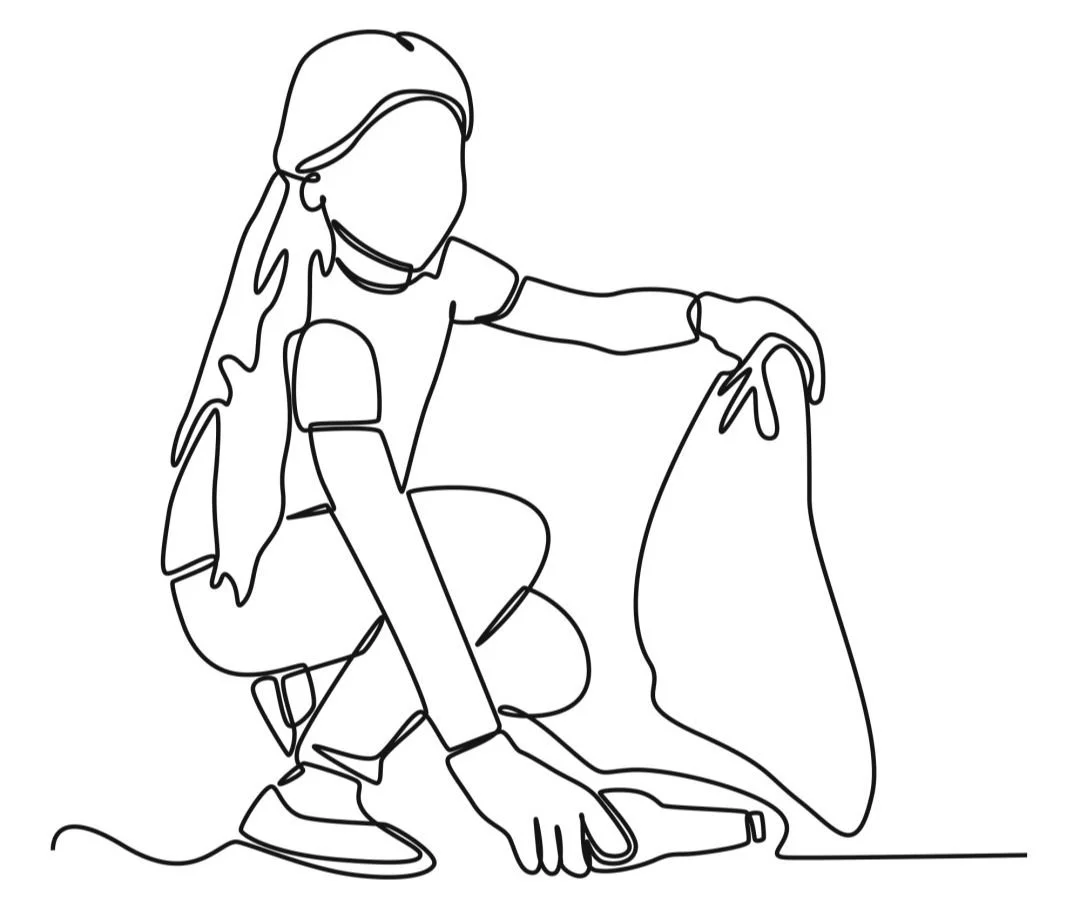
But not everyone gets up to leave. In one corner of the stadium, a wave of blue stays behind and gets to work, bending over the seats with trash bags to gather up litter that isn't all theirs.
You've probably seen the footage. After Japan's opening World Cup match — a hard-fought 2-2 draw with the Netherlands — Japanese fans stayed behind to clean the stands before they left. Days later, after Japan beat Tunisia 4-0, they did it again.
Win, lose, or draw, they clean up on their way out.
There's so much I admire about Japanese culture, and this practice is near the top of the list. But what I felt most when watching this footage was love, because it already has a name in our house:
Leave it better than you found it.
My mom taught me that rule before I was old enough to know it was a rule. Whether it was a kitchen, a public space, or a situation in life, whatever shape it was in when we arrived, she taught me through her small, daily actions to leave it a little better by the time I walked away. I don't remember her ever saying it out loud, actually. She just did it, so I learned to do it too.
As ESPN reported, the Japanese phrase for this cultural practice is "tatsu tori ato wo nigosazu." The literal image is of a waterbird taking flight and leaving the surface of the water as clear and still as it found it. Leave no trace.
Wherever you've been, leave it in good order. And, as I learned from my mom, try to leave it better than you found it. Not just in World Cup stadiums, but in any shared space, whether anyone notices or not.
In fact, the leave it better mentality, as I've come to know it, translates remarkably well into business, too:
Here's how:
Model the way. Through your actions, give others a model to follow. You can't build a positive culture if you say one thing and do another. The Japanese fans don't ask others to stay behind, and they don't announce their plans. They just get to work. When the standard is clear and consistently modeled, it raises the floor for everyone, without anyone having to say a word.
Set a culture that carries itself. When Japan's World Cup fans were asked why they do it, supporter Futo Hagiwara said, "This is our culture...it's our spiritual way, our attitude." And that attitude catches on to the point where all take part without needing to be asked.
Little things are the big things. It's easy to fall into the trap of believing that problems are so big, so intractable, that small changes are a waste of time, as if picking up one piece of litter is beside the point. I think what we saw in that stadium is the point. Culture is built in small, repeated acts. It's in how we leave shared spaces, how we set up the next person for success, and how we practice care.
The same instinct that moves a person to leave a stadium better than they found it can move us to leave an organization, a neighborhood, or the world better than we found it, too. Not because anyone is watching, but because it's who we've collectively decided to be.
So wherever you lead, and whatever spaces you move through, consider this your invitation. Do the small things over and over until they become a tradition others want to model, too. And together we can leave the places in our care better than we found them.
Bottom line: you don't build a conscious culture by announcing it. You build it by living it, in the small moments, until the standard becomes contagious. Win, lose, or draw, we can all choose to leave it better than we found it.
This post is part of the Finding The Words column, a series published every Wednesday that delivers a dose of communication insights direct to your inbox. If you like what you read, we hope you’ll subscribe to ensure you receive this each week.