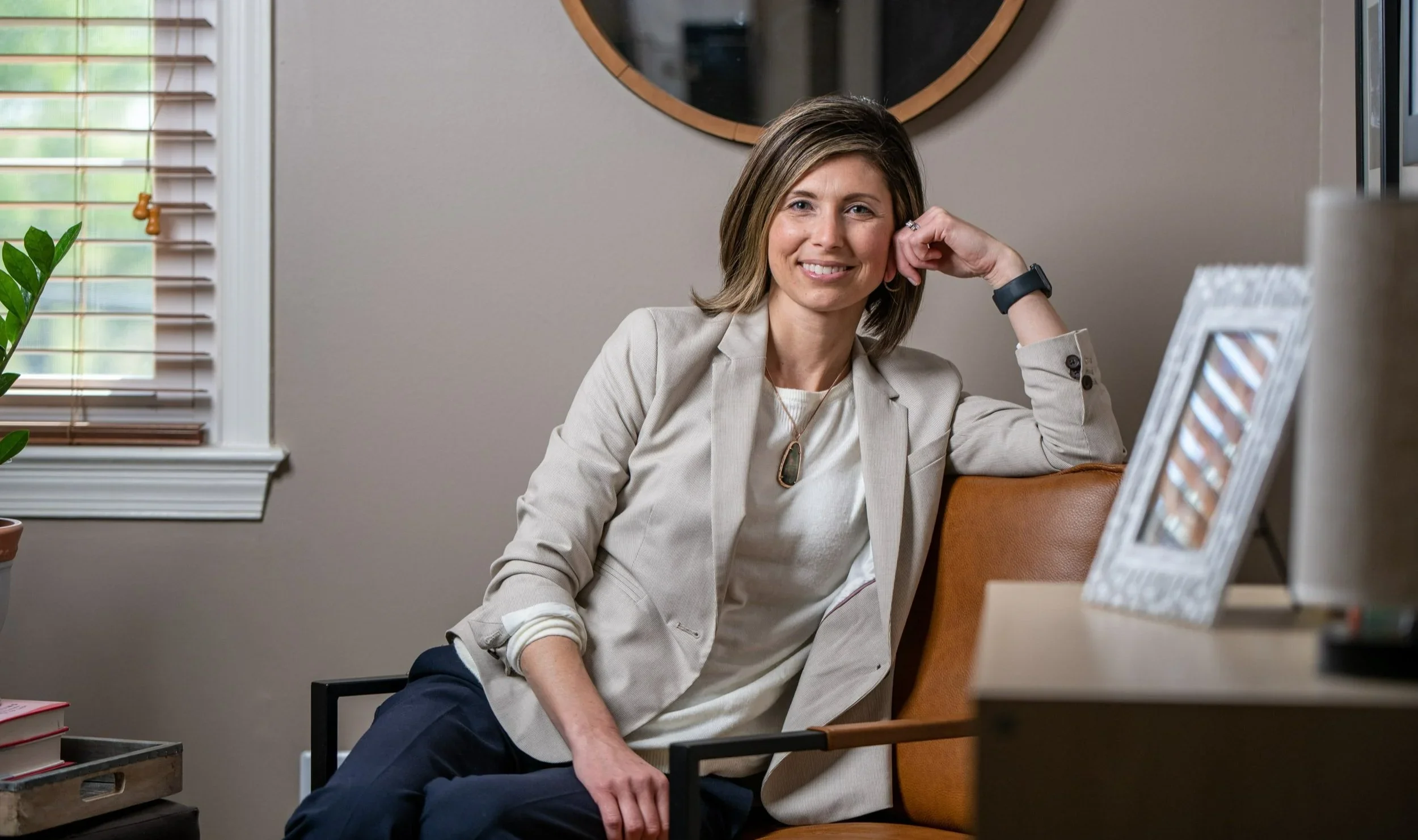

In January 2022, Carrie Fox set out on a blog series called Finding the Words because she had something to say. By the end of the year, you were doing more than listening. You were deeply in this work with her. And because of you, we’re keeping this series going, every week through 2023 and beyond. Our promise: Carrie will keep delivering these essays each Wednesday morning to further support your work as acommunicator for change. Your promise: keep telling us how these insights are impacting and influencing your work.
Here are some of the most regularly shared columns. If you like what you see, then subscribe here.
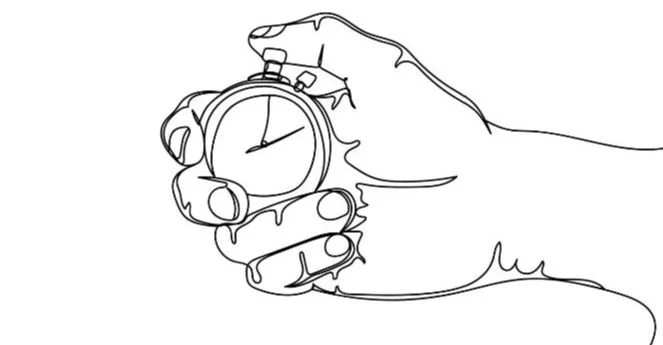
Five Minutes.
Truth is: it's never really about your five minutes. It's about whether your audience will want to keep listening after your five minutes are up. So, go in prepared to make the most of those few minutes, and your audience will soon stop watching their time, and they'll start asking for more of yours.
The Learning Zone.
I was in my early 20s, navigating the first years of my professional career, when I remember thinking to myself: I have no idea what I’m doing here. The pace was fast. The expectations were high. I was being asked to do work I had never done before, surrounded by colleagues who seemed far more fluent in it than I was. And I wasn’t about to admit how lost I felt.
Signs of The Times.
At Mission Partners, we help organizations communicate what matters—and communicate it well. We write speeches and stories that capture attention, messages that move decision makers to act, and strategies that engage employees and volunteers to champion bold new ideas.
But none of those desired outcomes can happen without first asking a more fundamental question: How do we communicate in a way that all audiences—not just a select few—can understand and access the message?

Insights on Purpose.
When I wrote my first Finding the Words column on January 3, 2022, I didn’t know quite where it would take me, only that I needed a place to help make sense of our changing world.
Between the lines, though, something else started to unfold. I began to notice patterns and trends among the leaders who were inspiring my columns.
What a Friend’s Prayer Taught Me About Leadership
We are living through tragic and deeply disorienting times. And the “safest” response, we’re often led to believe, is to protect ourselves by filtering what we say. Water it down. Lose the feeling. Be forthright—but not too vulnerable. But sometimes, what helps most is simply naming what’s true. That doesn’t mean you need to share a prayer. But it does mean you can share something meaningful to you.
What Can I Say?
The truth is, when news breaks, leaders are often left balancing urgency, responsibility, and uncertainty—all while knowing their words (or silence) will be interpreted. This framework isn’t about saying the ‘right’ thing. It’s about making intentional choices in moments that don’t allow for easy ones. In today’s Finding the Words, I’ll offer a brief breakdown of those considerations and invite you to explore the full resource, linked at the bottom of this post.
Until We Meet Again.
So, where to go from here? If you are launching something new, turning away from something familiar, or digging deeper wherever you are, I hope something in this week's reflection can help light your path forward. Because no matter which way you're headed, you can always go further when you're open to the possibility.
Disability Visibility.
Remember that accessibility is a practice, not a checklist. You don't have to get it perfect today. You just have to start—and then keep going. That's what it means to keep a movement moving forward.
Despite our Differences.
Disagreement will always be part of our work. It can also be good for the work, as long as there are equal amounts of disagreement, respect, and collaboration. If we can hold space for all three, we will not only get through the challenges but also build something lasting.

Communicating Through Challenging Times.
Every day brings with it a new opportunity to take action: to say something if we see something and to act in service of people and the planet. Because if you don’t act when you see the fog rising, what can you expect other than disaster?

Your Body Language is Talking Even When You Aren't.
93% of what we communicate is nonverbal, so the little things we communicate through our bodies make a big difference to our audience. Use your body, tone, and the instrument that is your voice to help convey confidence, trust, and engagement to your audience. It may never be as good as face-to-face communication, but good digital body language can do wonders to bridge physical divides.

Confidence Boost.
When it comes to communicating confidence, remember this: we are often much better than we let ourselves believe. Start with some appreciation—for yourself, your skills, and how far you’ve come—and see how much more confident you'll feel as a result.

Healthy Communication, Part 2.
It's common to feel at a loss when you need to communicate critical information, and you don’t feel equipped to do so. With these healthy communication skills, you can ensure that you get your message across, while also building deeper connections and trust with your audience.
Healthy Communication.
In service of this year’s theme, We Are All Public Health, I’ve compiled tips on how to improve the health of your communications practices while building and earning trust in the process. Communicating through challenging moments can be easier when we focus on the heart of the message and the people on the receiving end.

Decode Your Words.
Eliminating coded language from your vocabulary takes a willingness to learn and a dedication to making intentional change. Use this week to assess the words and phrases you use and notice if you're actively (and perhaps unintentionally) using any coded phrases. Practice speaking up when you hear others using these phrases, too, and use this blog as a guided resource to practice replacing those words with more inclusive phrases. Words matter, and with each intentional swap, we can show how much people matter, too.

You Can Say Something.
Saying something when we see something is not easy. But the effect could be the start of something groundbreaking, too. You just won’t know if you don't try.
Looking for more?
Read the first year of Finding the Words articles.