See It Their Way.
This article is part of Finding the Words, a newsletter that delivers practical insights on the day’s issues.

Nearly 20 years ago, early into owning my first company, a young employee on my team began struggling. We noticed it first through missed deadlines, followed by increased difficulty connecting with colleagues. There was a visible discomfort she wasn't ready to name, but others were picking up on.
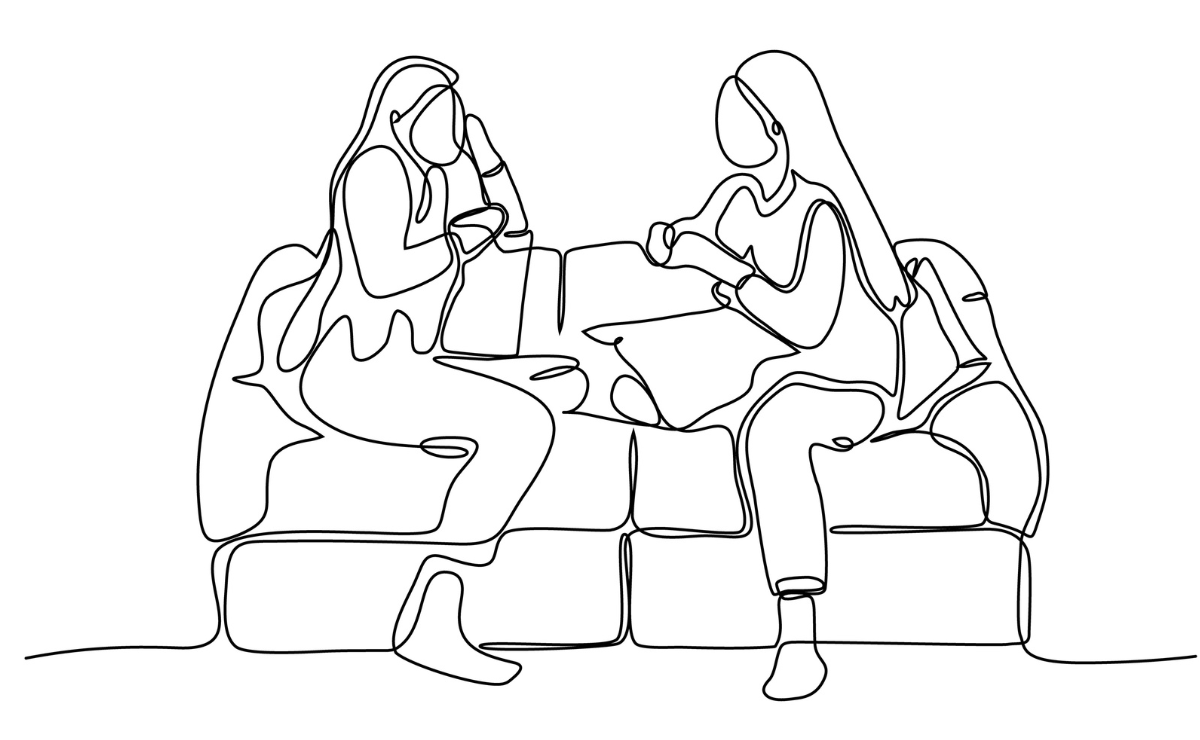
My instinct was to address what appeared to be poor performance. Instead, I asked her to take a walk.
We found a small table at an outdoor café and warmed up on the little things first. Gradually, and perhaps after she felt a little more comfortable with me, she shared that her grandmother was ill, and she was having a hard time thinking about anything else. She was new enough to the job that she hadn't accrued the vacation time to fly home and be with her family.
In that moment, I stopped seeing an employee missing deadlines. I saw a young person carrying something heavy and trying not to let it show. I remember feeling the exact same way just a few years earlier, and how hard it was to concentrate when I had been worried about my own grandparent.
I told her to take the rest of the week off, assuring her that we'd cover her assignments. It was a small gesture, but one that changed our relationship and her future performance for the better. It also served as a critical lesson for me as a young business leader: empathy in the workplace is always a winning strategy.
Empathy, as I've come to understand it, is simply the ability to see the world through another's eyes. Easier said than done, though.
According to the recent 2025 Workplace Empathy Monitor, over one quarter of employees view their organization as unempathetic, and these employees are 1.5 times more likely to change jobs in the next 6 months. The thing is, many leaders think they are being empathetic. But what we think and what others feel isn't always aligned.
The good news is that there are several simple strategies to build empathy into your daily leadership practices:
Listen to understand, not to respond. The person in front of you isn't looking for you to solve their worry or even share in it. Rather, they likely want to feel heard and understood. So, resist the urge to solve, evaluate, or redirect. Instead, listen.
Speak from experience rather than giving advice. When someone asks for your thoughts, saying, “Here’s something that's worked for me…” is far more effective and empathic than saying, “Here’s what you should do…”
Focus on understanding before defending. When someone shares difficult feedback, give them the space to finish their thoughts before you share your perspective. You'll understand the situation better, and they'll trust you more for it.
Give your full presence. The person in front of you deserves to be your sole focus. Practice active listening: no multitasking or half-attention. Notice their body language and reflect back what you're hearing to make sure you've understood accurately. The act of paying closer attention changes what you're able to hear.
Look for what you have in common. Approach every interaction knowing you share at least one thing with the person across from you — a shared experience, a common value, something that connects you. Seeing that commonality, even briefly, softens the barriers that make empathy hard.
Show up for people's joy, not just their difficulty. Empathy isn't only about meeting people in hard moments. When a colleague shares good news, be present for it, and share in the celebration. Those gestures take seconds, but the impact is long-lasting.
Life is complex, and there will always be more to someone's story than they've let on. Starting from a place of genuine curiosity rather than judgment is what separates leaders who make people feel seen from those who make people feel ignored.
When you take the time to understand others, they'll take time to understand you, too. And that exchange, small as it may seem, is how trust is built. Oh, and that young woman I mentioned at the top of this story? Well, she's still in my life and still inspiring me to be a better leader every time we talk.
This post is part of the Finding The Words column, a series published every Wednesday that delivers a dose of communication insights direct to your inbox. If you like what you read, we hope you’ll subscribe to ensure you receive this each week.