It's Not About You.
This article is part of Finding the Words, a newsletter that delivers practical insights on the day’s issues.
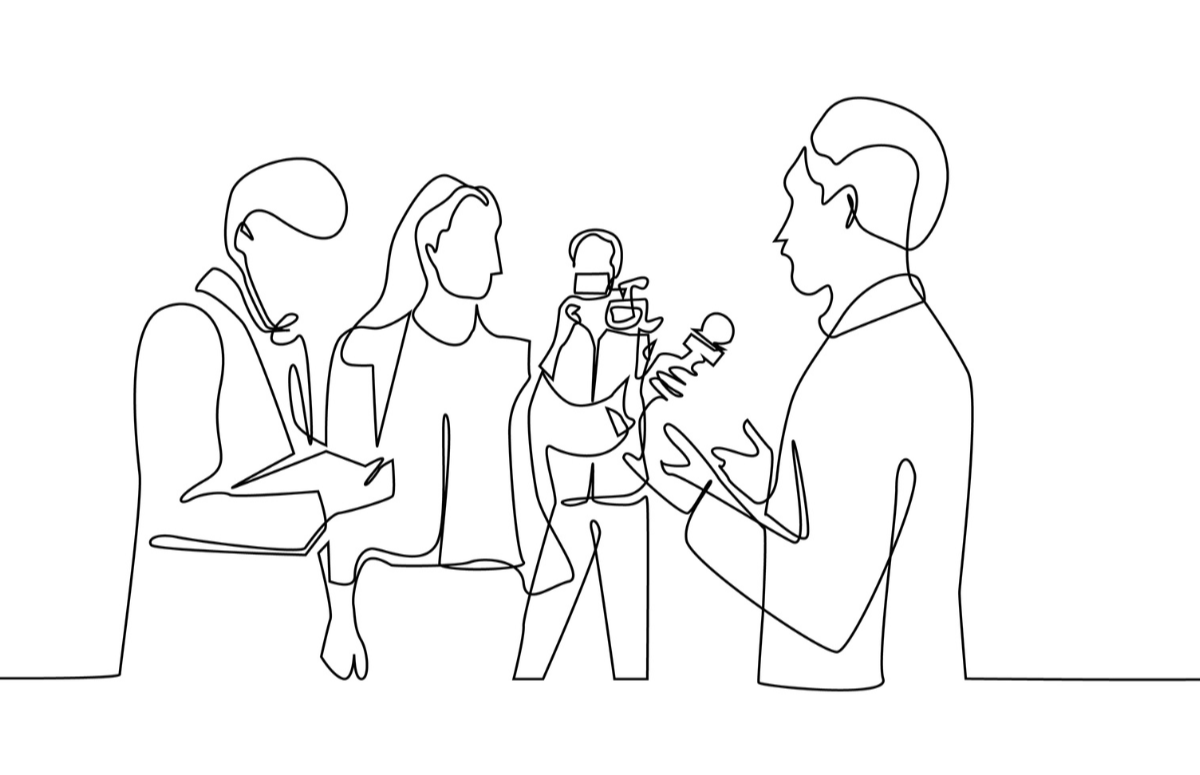
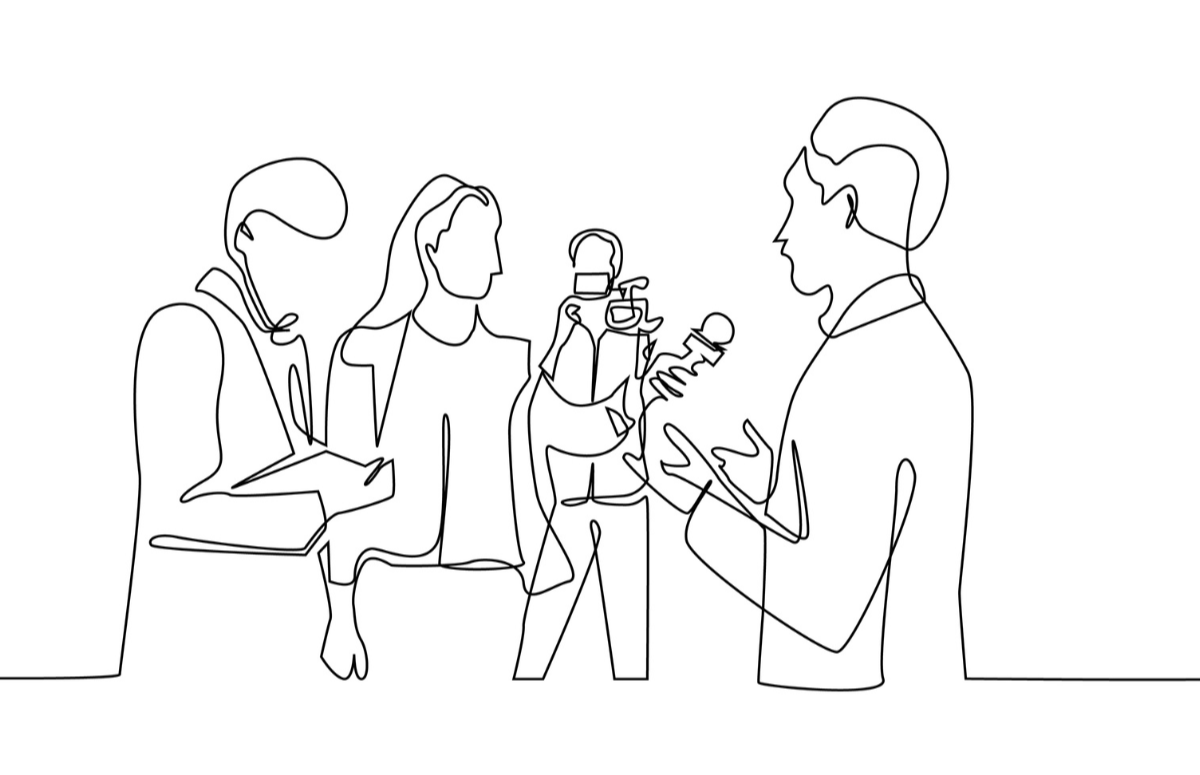
A few years back, I was listening to a radio interview with a famed attorney who works on high-profile women's rights issues. The journalist had invited this attorney on the show, expecting they'd be well-positioned to provide fresh insight into current events. But the attorney wouldn't have it. Question after question, no matter how hard the journalist tried, the attorney would start every response the same way: "Well, as I say in my new book…."
By the end of the interview, the book plugs had become so shameless that it was comical. Without saying it, the attorney clearly implied that they didn't care what the question was because they were too focused on pushing their own message.
I remember that interview because it reminds me of what NOT to do in media interviews. And when it comes to nailing an interview, it helps to know what works and what doesn't.
Over the past 25 years, I’ve had the privilege of preparing hundreds of people for "microphone moments", from national media interviews to high-stakes Board meetings, TED talks, public speeches, and a lot of make-or-break conversations in between. Some of their names you’d know in an instant, and some you wouldn’t. But every one of them wanted the very same thing: to make their message matter to the people in front of them.
I know the feeling of wanting to make a message matter, too. I've served as a spokesperson, been interviewed on national morning shows (including several times alongside my daughter), and delivered a speech to thousands.
Never have I thought about how to push a message. Instead, I focus on how best to pull the audience in.
As a result, the single lesson that runs through my media training sessions is one I wish someone had taught me early in my career (and that I wish a lot more spokespersons practiced, too).
It’s not about you.
That’s it, plain and simple.
It’s about your audience.
Sure, you may have the microphone in your hand and the lights on you. You may be the one who has the room's attention. But that position lets you do something remarkably powerful: redirect the energy back to the audience, which is where the real magic happens.
When the audience becomes part of the story, they have a reason to carry your message forward to others.
One of my simplest techniques for keeping the audience in focus comes down to three simple questions:
What do I want my audience to hear?
What do I want my audience to feel?
What do I want my audience to do?
I start my trainings here because before I can help anyone decide what to say, I want them clear about what they want their audience to hear, feel, and do. Then, we find the words to help deliver on that promise. Pro tip: this technique works in any sort of environment, from a tough conversation with a parent to a nationally televised interview.
What do you want them to HEAR? 'Everything' is not the right answer. Instead, think about what your audience should reasonably be able to repeat after you've gone. Say that line, and then say it again.
What do you want them to FEEL? People rarely remember your beautifully crafted sentences. They do, however, remember the feeling you gave them. If you want them to feel inspired, then you must inspire them. If you want them to feel energized, you must energize them. As presenters, we have the opportunity to serve as a mirror for our audience. Show up honestly, in service of your audience, and trust me, they'll feel it and carry that feeling forward with them.
What do you want them to DO? A short presentation that ends without a clear next step is like the plane taking off, but never landing, as my dear mentor Don Foley likes to say. You've got to know where you're leading the audience, and be clear on what you want them to do when you get there. Don't forget to give them somewhere to go.
Look again at those prompts and notice what they share: not one of them is about YOU. Each points to the audience, and as a result, directs your energy where it matters most. Just as I shared in this post from earlier this year, the most important shift any of us can make as communicators is from "how am I doing?" to "what does my audience need, and how do I want to make them feel?"
So the next time you've got a high-stakes interview or presentation, don't reach for more words. Instead, reach for these three questions. Because it's not about you. It's about whether your audience will carry your message forward when you're done speaking.
This post is part of the Finding The Words column, a series published every Wednesday that delivers a dose of communication insights direct to your inbox. If you like what you read, we hope you’ll subscribe to ensure you receive this each week.